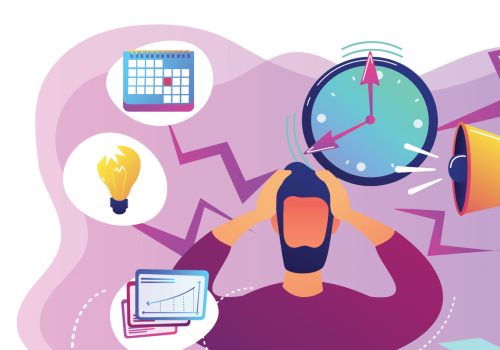
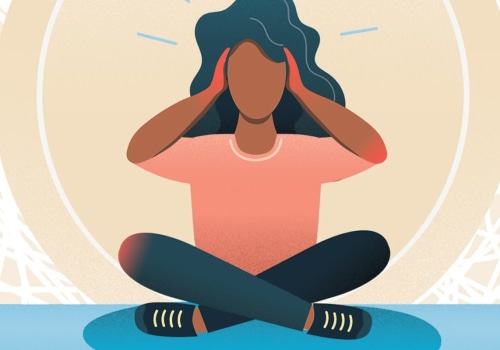
Stress is a natural response to challenging situations, helping individuals react to demanding circumstances and unexpected changes. However, when stress continues for extended periods without adequate recovery, it can negatively affect physical health, emotional well-being, and daily functioning. Chronic stress may develop from ongoing workplace pressures, financial difficulties, relationship challenges, or significant life changes. Unlike temporary stress, which typically subsides after a situation improves, chronic stress can persist for weeks or months. Recognizing its warning signs allows individuals to take proactive steps toward maintaining their health and preventing complications.
Recognizing Physical Symptoms of Chronic Stress
Chronic stress frequently manifests through physical symptoms that may initially seem unrelated to emotional strain. Common indicators include persistent headaches, muscle tension, fatigue, digestive discomfort, and changes in appetite. Some individuals experience difficulty sleeping, while others feel exhausted despite getting sufficient rest. Prolonged stress may also contribute to elevated blood pressure and increased susceptibility to certain health problems. Because these symptoms can have multiple causes, persistent physical changes should be evaluated by a qualified healthcare professional rather than automatically attributed to stress.
Identifying Emotional and Behavioral Warning Signs
Emotional changes are another important indicator of chronic stress. Individuals may experience irritability, anxiety, difficulty concentrating, or feelings of being overwhelmed by routine responsibilities. Some people notice reduced motivation, increased frustration, or difficulty enjoying activities they previously found rewarding. Behavioral changes may include withdrawing from social interactions, procrastinating, or relying excessively on unhealthy coping mechanisms. Recognizing these patterns early can help individuals understand when everyday pressures are becoming difficult to manage independently.
Understanding When Professional Support Becomes Necessary
Seeking professional assistance is particularly important when stress interferes with work, relationships, sleep, or other essential daily activities. Persistent anxiety, emotional exhaustion, and recurring physical symptoms may indicate that additional evaluation is necessary. Healthcare providers can assess potential underlying conditions and recommend appropriate treatment strategies. Integrative healthcare practices such as Two Rivers Integrative Health may be considered by individuals interested in discussing comprehensive wellness approaches alongside evidence-based medical care. Professional guidance can help patients explore appropriate stress management techniques while addressing their individual health concerns.
Exploring Healthy Strategies for Managing Chronic Stress
Managing chronic stress often involves combining lifestyle adjustments with appropriate professional support. Regular physical activity, consistent sleep schedules, balanced nutrition, and relaxation exercises may improve overall well-being. Mindfulness practices, breathing techniques, and spending time outdoors can also help individuals develop healthier responses to stressful situations. Maintaining supportive relationships and establishing realistic boundaries around work and personal responsibilities may further reduce emotional strain. However, lifestyle changes should complement, rather than replace, necessary medical or mental health treatment.
Prioritizing Long-Term Emotional and Physical Wellness
Understanding the signs of chronic stress empowers individuals to recognize when additional support may be beneficial. Early intervention can help prevent symptoms from worsening and improve overall quality of life. By monitoring physical and emotional changes, adopting sustainable coping strategies, and seeking professional assistance when needed, individuals can develop healthier approaches to managing ongoing challenges. Prioritizing stress management supports emotional resilience, physical well-being, and a more balanced lifestyle over time.