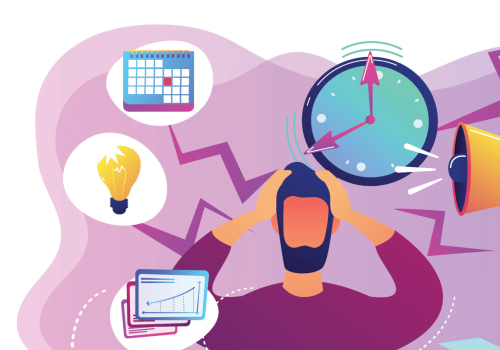
Stress is a normal response to challenging situations, but ongoing stress can affect concentration, sleep, energy, mood, and everyday functioning. Work responsibilities, relationships, financial concerns, busy schedules, and unexpected changes can all contribute to feelings of pressure. While it may not be possible to eliminate every source of stress, individuals can develop habits that make stressful experiences easier to manage. A balanced approach can include mindfulness, relaxation techniques, regular movement, nutritious meals, adequate sleep, and meaningful social connections. These practices can provide individuals with practical tools for responding to daily pressures while supporting broader physical and emotional well-being.
Practicing Mindfulness in Daily Life
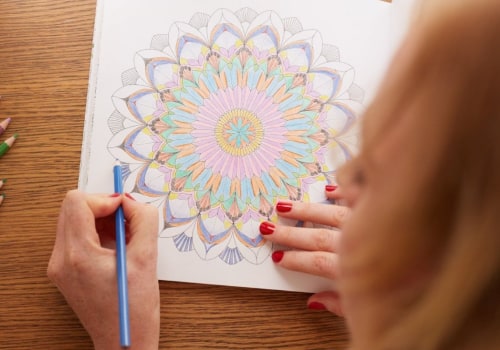
Mindfulness involves paying attention to the present moment with greater awareness and without immediately judging thoughts or feelings. It does not require long periods of meditation or a completely quiet environment. Simple practices can be incorporated into everyday activities, such as focusing on breathing while taking a short break, noticing physical sensations during a walk, or paying closer attention to the experience of eating a meal. When stressful thoughts arise, mindfulness can help individuals recognize them without automatically reacting to them. With regular practice, this awareness may make it easier to identify patterns of tension and choose more intentional responses to challenging situations.
Using Relaxation Techniques
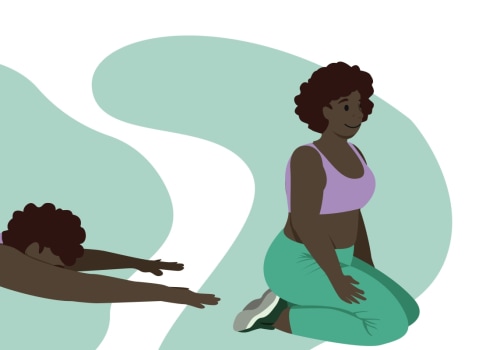
Relaxation strategies can help the body transition from a state of heightened alertness toward a calmer state. Deep breathing, progressive muscle relaxation, gentle stretching, listening to calming music, and taking short periods of quiet time are examples of techniques individuals may explore. The most effective approach can differ from person to person, so experimenting with several methods can help identify what feels comfortable and practical. Relaxation techniques are often more useful when practiced regularly rather than reserved only for moments of intense stress. Building short periods of relaxation into an ordinary routine can create opportunities to reset before tension becomes overwhelming.
Supporting the Body With Healthy Habits
Physical habits can have a significant influence on how individuals experience and respond to stress. Regular physical activity can support mood and overall health, while consistent sleep routines can help the body and mind recover from daily demands. Nutritious meals and adequate hydration can also contribute to energy and concentration. Healthy habits do not need to involve major lifestyle changes. Small adjustments, such as taking regular movement breaks, maintaining a consistent bedtime, preparing balanced meals, or spending time outdoors, can become sustainable parts of everyday life. Creating realistic routines is often more effective than setting overly demanding expectations that are difficult to maintain.
Seeking Support When Needed
Mindfulness and healthy habits can be valuable tools, but they are not substitutes for professional care when stress becomes persistent or significantly affects daily functioning. Individuals experiencing ongoing anxiety, low mood, sleep difficulties, or difficulty managing responsibilities may benefit from speaking with a qualified professional. Services such as Cabot Psychological can provide appropriate psychological support for individuals seeking guidance with emotional and mental well-being. Professional support can complement personal wellness strategies by helping individuals understand underlying stressors and develop practical coping skills. Ultimately, managing everyday stress is about creating a balanced collection of habits rather than searching for one perfect solution. By combining present-moment awareness, relaxation, healthy routines, supportive relationships, and professional guidance when appropriate, individuals can develop greater resilience and create a more sustainable approach to emotional well-being.